

Have you ever thought about starting a vendor booth?
It’s a question I’ve been asked many times over the years, especially by furniture flippers, vintage sellers, and thrift lovers who are looking for another way to sell their inventory.
The funny thing is, I’ve never personally had a vendor booth. I’ve never rented space in an antique mall, vendor market, or vintage shop. But I’ve talked to many people who have, and if I were considering starting a vendor booth tomorrow, these are the questions I’d be asking before signing anything.
A lot of people see a vendor booth as a way to create extra income. You fill the booth, walk away, and let customers shop while you’re at home. Sounds great, right?
The reality is that successful booth owners usually treat their booth like a business. Before starting a vendor booth, it’s important to understand exactly what you’re getting into.

Questions to Ask Before Starting a Vendor Booth
Before signing any agreement, here are a few of the most important questions I would ask:
- What is the monthly rent?
- Does the store charge commission on sales?
- What does the rent actually cover?
- Are vendors required to work shifts?
- How much customer traffic does the store get?
- How often are vendors paid?
- What happens if inventory is damaged or stolen?
- How long is the contract?
- Can you leave the agreement early?
Now let’s break these down a little further.
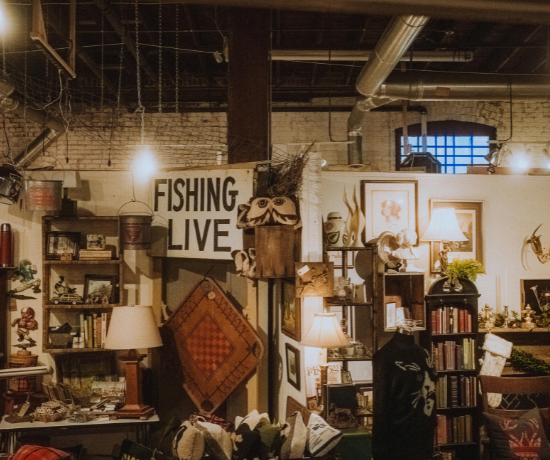
Understand the True Cost of Starting a Vendor Booth
Most people begin by looking at the monthly rent, and that’s important. But rent is only one piece of the puzzle.
Before starting a vendor booth, I’d want to know exactly what the costs are.
Does the store take a percentage of every sale? Are there credit card processing fees? Administrative fees? Is there a security deposit required upfront?
I’d also want to know what my rent covers.
Does it include utilities, heating, air conditioning, security, cashier services, or marketing? Or am I simply paying for a designated space inside the building?
The more you understand the true costs, the easier it will be to determine whether the booth can be profitable.
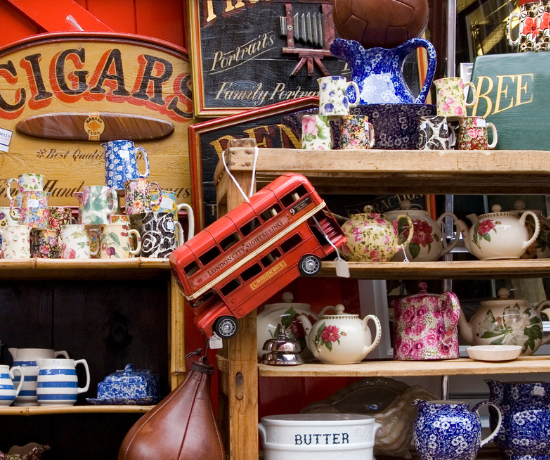
Find Out What You’re Responsible For Starting A Vendor Booth
One thing many people don’t realize about starting a vendor booth is that there is usually more work involved than expected.
Do vendors have to work in the store?
If not, can you receive discounted rent for helping a few days each month?
Who is responsible for cleaning the booth? Dusting shelves? Rearranging displays? Restocking inventory?
The booths that perform well are often the booths that are maintained regularly. Customers notice when a booth looks fresh, organized, and full.
Learn About Customers and Traffic
You can have amazing products, but if nobody is walking through the doors, it won’t matter.
Before starting a vendor booth, I’d ask how much traffic the store gets and what their busiest seasons are.
Do they have steady traffic throughout the year?
Are weekends significantly busier?
What kind of customers shop there?
This is important because you want your products to align with the people who are already shopping in that location.
A vendor market that attracts antique collectors may be very different from one that attracts home decor shoppers or bargain hunters.
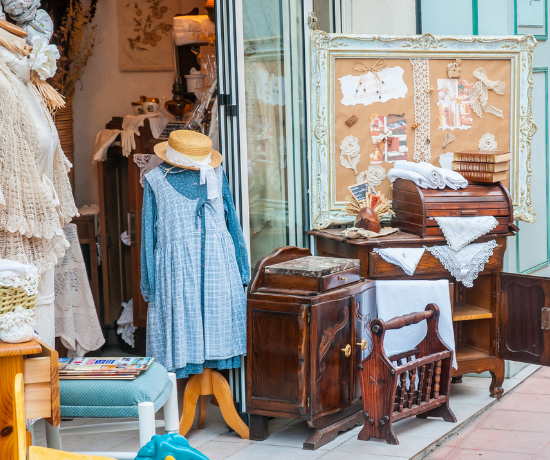
Ask About Marketing and Promotion
Another thing I would like to know is how the business markets itself.
Do they have an active Facebook page?
Are they on Instagram?
Do they host special events or sales?
Do they send emails to customers?
And here’s an even bigger question:
Do they promote individual vendors?
Some businesses regularly feature vendors, share new inventory, and spotlight booths on social media. Others don’t.
Regardless of what they do, one thing I’ve learned from talking to successful sellers is that you need to be willing to market your own booth.
In many ways, promoting your booth becomes part of the job.
Share new inventory on social media. Posting photos and videos. Use local hashtags. Tag the store. Let people know what’s available.
The vendors who consistently talk about their booths are often the vendors who see the most success.

Understand How Sales and Payments Work when Starting A Vendor Booth
Before starting a vendor booth, I’d also want to understand exactly how sales are handled.
How are items tracked?
How do customers check out?
How often are vendors paid?
Is payment made weekly, bi-weekly, or monthly?
I’d also ask how returns are handled and what happens if an item is damaged after purchase.
These details might seem small, but they can make a big difference once you’re up and running.
What Happens If Something Is Stolen?
Unfortunately, theft can happen anywhere. That’s why I’d ask what happens if inventory is stolen or damaged. Does the business carry insurance? Are vendors responsible for losses? How often do these situations occur? It’s much better to know the answers before something happens than after.
Make Sure You Have Enough Inventory
This may be one of the biggest considerations when starting a vendor booth.
It’s one thing to fill a booth on opening day.
It’s another thing entirely to keep it full.
Do you have enough inventory to consistently restock?
Can you source enough products each month?
Can you keep the space looking fresh and updated?
For furniture flippers and vintage sellers, inventory can disappear quickly when sales are good. That’s a great problem to have, but only if you can keep up with demand.
Don’t Forget About the Contract
Before signing anything, make sure you understand the contract.
How long is the commitment?
Can you leave early if things aren’t working out?
How much notice is required?
Are there penalties for ending the agreement before the contract expires?
These are questions that are easy to overlook when you’re excited about a new opportunity.
Talk to Current Vendors
If I were seriously considering starting a vendor booth, this might be my most important step.
I would talk to current vendors.
Not just management.
The vendors.
Ask them:
- Are you making money?
- What do you wish you knew before getting started?
- How often do you restock?
- Would you rent a booth here again?
You’ll probably learn more from those conversations than anywhere else.
Starting a vendor booth can be a great way to sell furniture, vintage finds, handmade goods, or home decor.
But like any business opportunity, it’s important to do your research first.
Ask questions. Understand the costs. Learn the expectations. Talk to current vendors. And most importantly, make sure you have the time, inventory, and motivation to keep the booth stocked and promoted.
Before you sign up, ask yourself one final question:
If someone paid your booth rent for the next six months, would you have enough inventory, enough time, and enough motivation to keep that booth full and actively promoted?
Because finding a booth is the easy part.
Keeping it profitable is where the real work begins.
I recorded a podcast about this very topic. You can listen to the full episode HERE.
PIN THIS POST!
If you found this Starting A Vendor Booth post helpful, you will also like these:
Furniture Makeovers That Sell Fast
Descriptions That Sell Your Furniture Pieces: 6 Tips That Work