

If you’ve been following along as I share our house flip projects, this is one of the questions I get asked the most: how to finance a flip house. Every time I post a before-and-after or talk numbers, my inbox fills up with questions about where the money comes from and how people can get started without feeling overwhelmed.
The truth is, we haven’t financed our flip houses just one way. Over the years, we’ve used several different financing options depending on the project, the timing, and what made the most sense for our situation at the time. And I’ve learned firsthand that choosing the right way to finance a house flip can absolutely make or break a deal.
That’s why I wanted to put everything in one place. In this post, I’m breaking down how to finance a flip house, sharing the most common options, the pros and cons of each, and how to decide which financing method might be the best fit for you and your goals.
Important note: I want to emphasize that I am not providing financial or tax advice in this post. I’m simply sharing what we’ve learned from our own experience flipping houses over the years. Everyone’s situation is different, and the way you finance a house flip will depend on your finances, goals, risk tolerance, and market.
Before moving forward with any financing option, it is essential to consult with your own professionals, such as a lender, financial advisor, or tax professional, to determine the best option for your specific scenario. I am not a tax or financial professional, and this post is meant to be educational, not advisory.
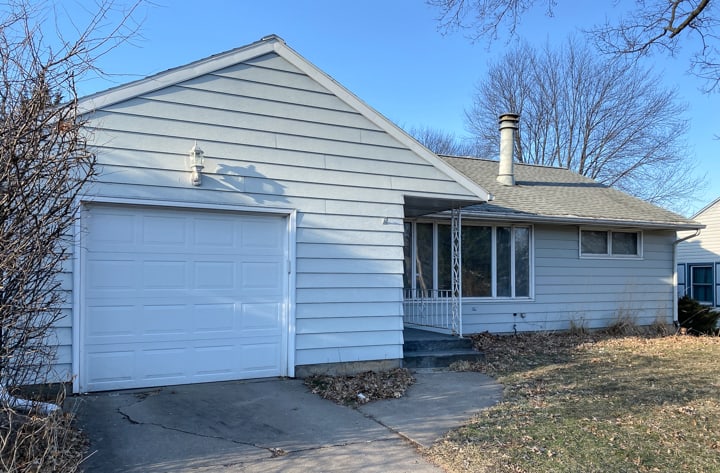
What Does It Mean to Finance a Flip House?
(Including flips that turn into rentals)
To finance a flip house means securing the money needed to purchase a property, cover renovation costs, and pay holding expenses until the home sells or is refinanced, and/or held as a rental. Understanding how to finance a flip house properly helps you protect your cash flow, minimize risk, and maximize profit.
Financing typically includes (whether you plan to sell or rent the property):
- Purchase price of the property
- Renovation and repair costs
- Holding costs (insurance, utilities, taxes)
- Closing and selling costs
Why Financing Matters When Flipping Houses
Knowing how to finance a flip house isn’t just about getting money; it’s about choosing the right money. The financing method you use affects:
- Your profit margins
- How quickly can you move on a deal
- Your level of financial risk
Using the wrong financing option can eat into profits or stall a project before it even starts.
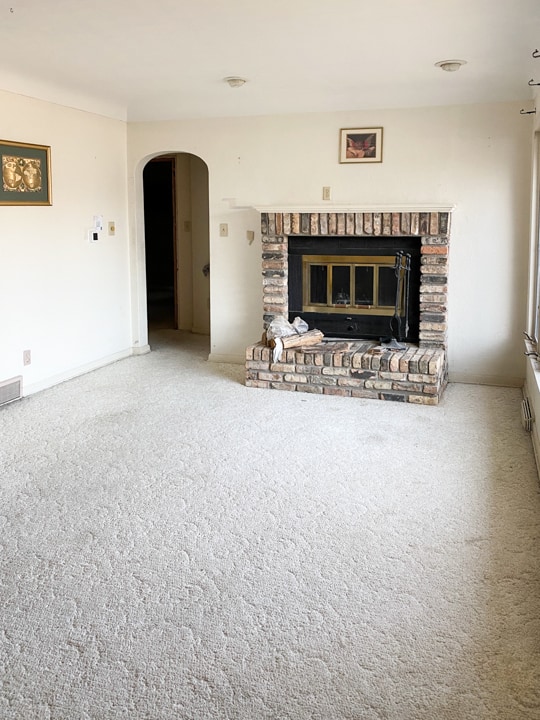
Common Ways to Finance a Flip House
- Cash
Using cash is one of the simplest ways to finance a flip house.
Pros:
- No interest or loan fees
- Faster closings
- Strong negotiating power
Cons:
- Ties up large amounts of money
- Limits how many flips you can do at once
Cash works well if you have reserves, but many investors prefer leveraging other financing options to scale.
- Hard Money Loans
Hard money loans are one of the most popular options for those learning how to finance a flip house.
Pros:
- Fast approval and funding
- Based on the property value, not your income
- Ideal for short-term projects
Cons:
- Higher interest rates
- Short repayment terms
Hard money lenders are commonly used by experienced flippers who need speed and flexibility.
- Private Money Loans
Private money comes from individuals rather than banks. This is a powerful option when figuring out how to finance a flip house.
Pros:
- Flexible terms
- Often lower interest than hard money
- Relationship-based
Cons:
- Requires trust and clear agreements
- Not always readily available
Private money can come from friends, family, or investors who want passive income.
- Conventional Bank Loans
Traditional bank loans can be used to finance a flip house, though they’re not always the easiest option.
Pros:
- Lower interest rates
- Longer terms
Cons:
- Slower approval process
- Stricter requirements
- Often not designed for distressed properties
Banks are better suited for long-term investments than quick flips.
- Home Equity Loans or HELOCs
If you already own property, tapping into equity is another way to finance a flip house.
Pros:
- Lower interest rates
- Flexible use of funds
Cons:
- Your personal property is at risk
- Requires sufficient equity
This strategy works best for investors with strong financial stability.
- Partnering With an Investor
Partnering is a creative approach to how to finance a flip house when you lack capital.
Pros:
- Less money out of pocket
- Shared risk
Cons:
- Shared profits
- Requires clear roles and agreements
Many beginners successfully flip houses by bringing skills, while their partner brings the funds.
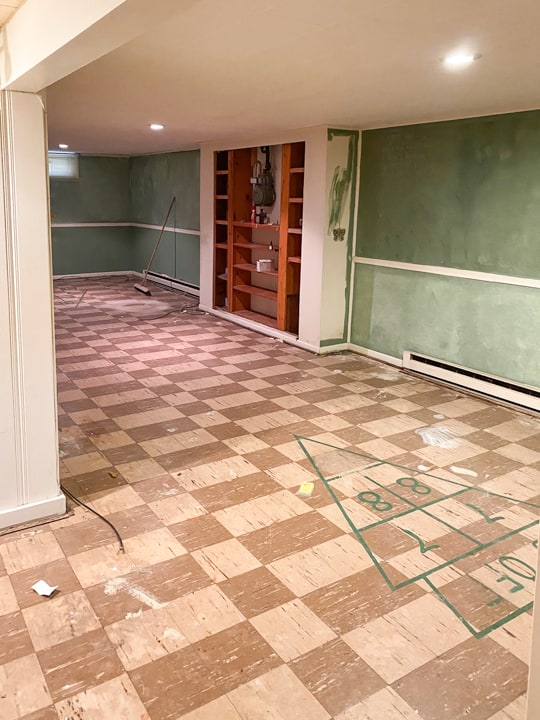
The BRRRR Method and How It Fits Into Financing a Flip House
Another strategy worth understanding when learning how to finance a flip house is the BRRRR method. While BRRRR is often associated with rental properties, it can overlap with flipping depending on your goals.
BRRRR stands for:
- Buy
- Rehab
- Rent
- Refinance
- Repeat
Instead of selling the property after renovations, the BRRRR method focuses on holding the home as a rental and refinancing it to pull cash back out.
How the BRRRR Method Works
- Buy a distressed property below market value
- Rehab the property to increase its value
- Rent the property to stabilize income
- Refinance based on the new appraised value
- Repeat the process with the cash you pull out
Understanding this method expands your options for how to finance a flip house, especially if you’re deciding between flipping and holding.

Mistakes to Avoid When Financing a Flip House
Understanding how to finance a flip house also means knowing what not to do.
Common mistakes include:
- Underestimating renovation costs
- Not accounting for holding expenses
- Choosing financing with terms you can’t sustain
- Overleveraging too early
Careful planning protects both your investment and your peace of mind.

Learning how to finance a house flip is one of the most important steps in building a profitable flipping business. There is no one-size-fits-all solution. Successful flippers often use a mix of financing strategies depending on the deal.
By understanding your options, running the numbers carefully, and choosing smart funding, you can confidently finance your next flip house and set yourself up for long-term success.
I recorded a 10-part podcast series that walks you through the entire house flipping process, from finding the right property and financing your flip to deciding whether to sell or rent. If you’re new to flipping or want a clear, step-by-step overview, this is the perfect place to start. You can listen to the full series HERE.
PIN THIS POST!